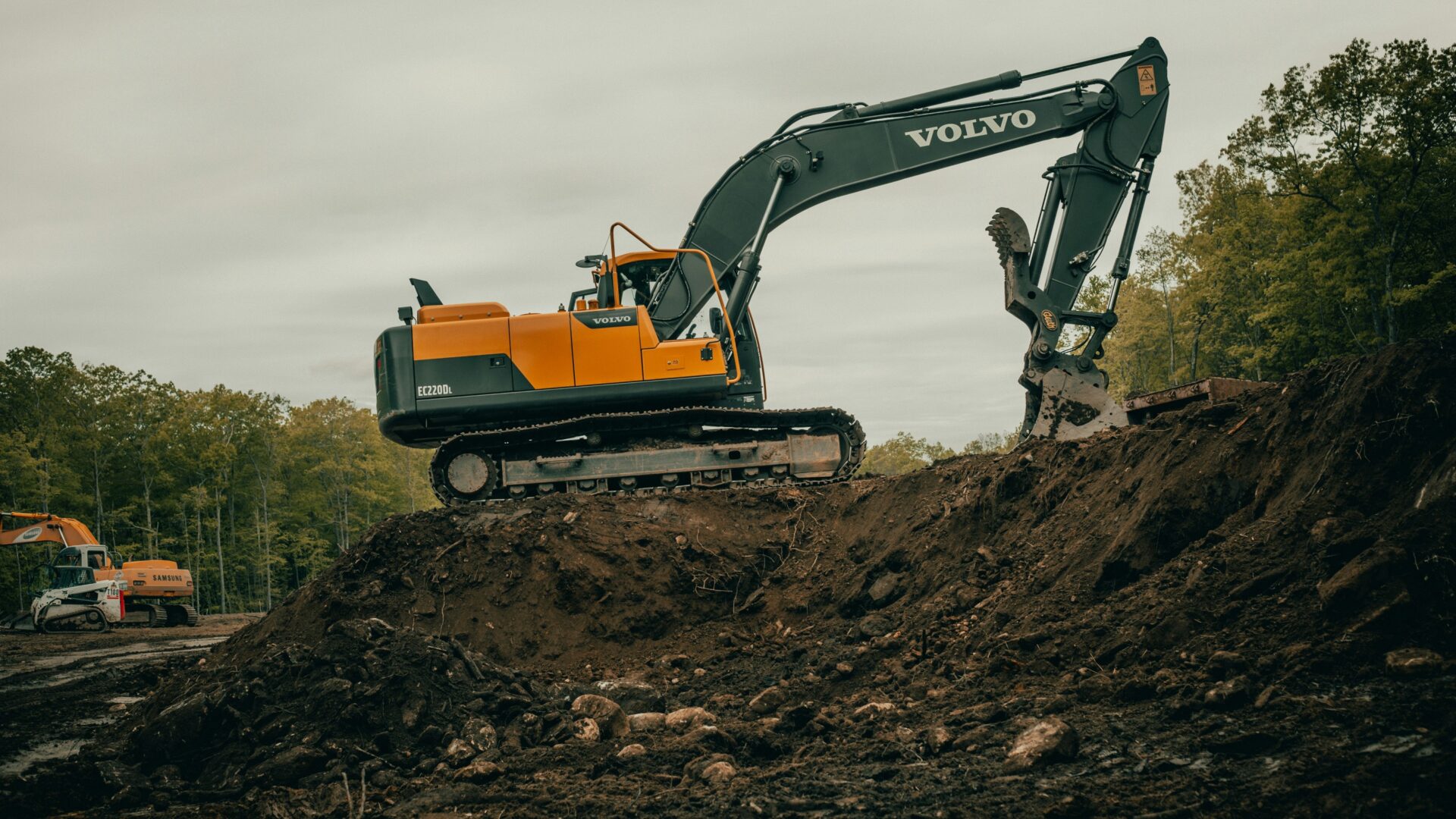
In the fast-paced world of construction and industrial operations, having the right material handling equipment is vital. Businesses rely on machinery like the reach truck and counterbalance forklift to improve efficiency, productivity, and safety. Choosing the right equipment ensures smooth operations, whether in warehouses, factories, or construction sites. This guide explores the features, benefits, and uses of both machines, helping businesses make informed decisions.
What is a Reach Truck?
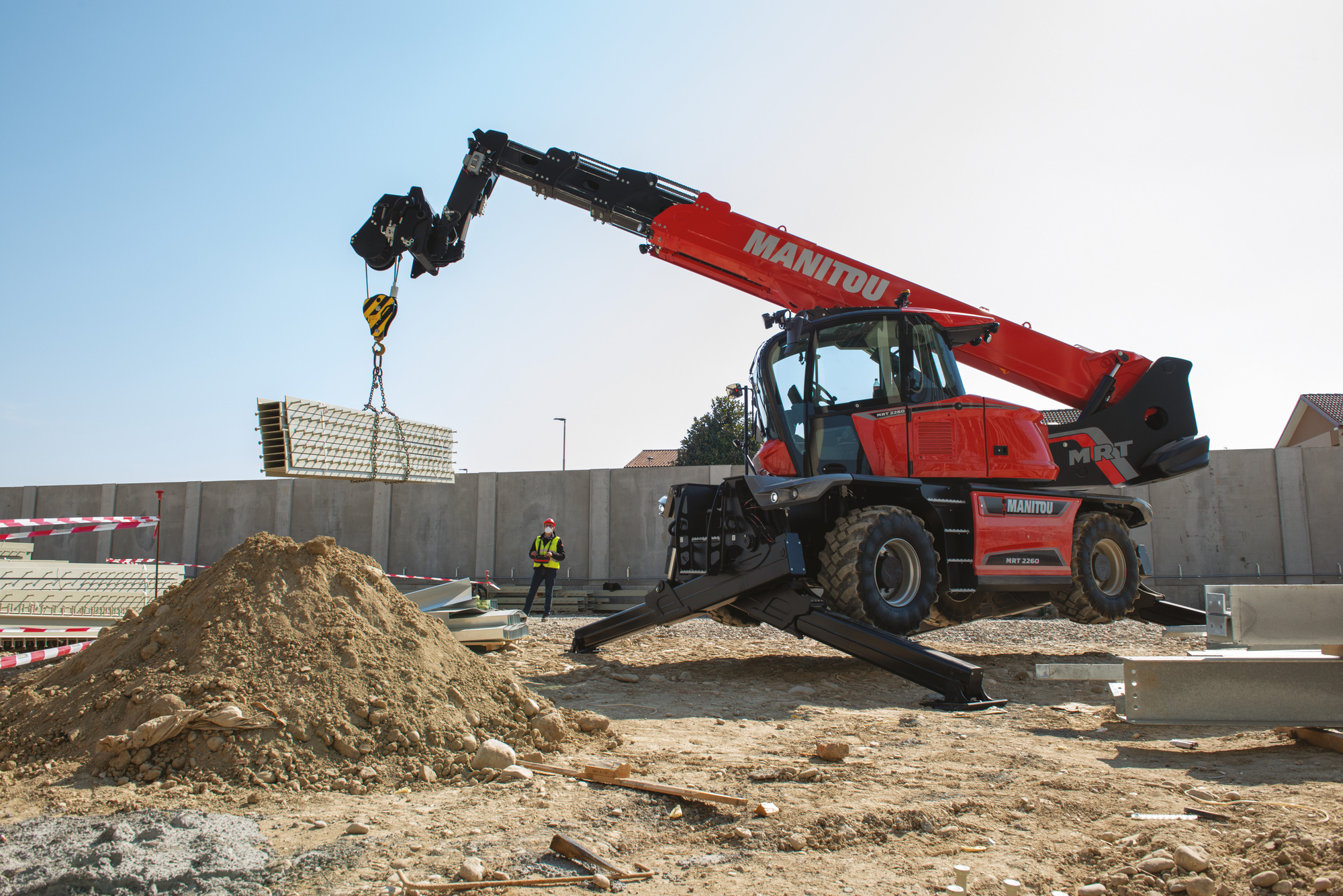
A reach truck is designed primarily for warehouse operations, especially in environments where space is limited. It is ideal for navigating narrow aisles and lifting loads to higher shelving levels. With its extended reach, this equipment helps businesses maximize vertical storage space without compromising stability.
Key features of a reach truck include:
- Compact design for tight spaces.
- High lift capacity for tall racking systems.
- Excellent maneuverability in busy warehouses.
- Increased efficiency in stacking and retrieving goods.
For businesses with high-density storage, a reach truck is a valuable asset that saves both time and storage costs.
What is a Counterbalance Forklift?
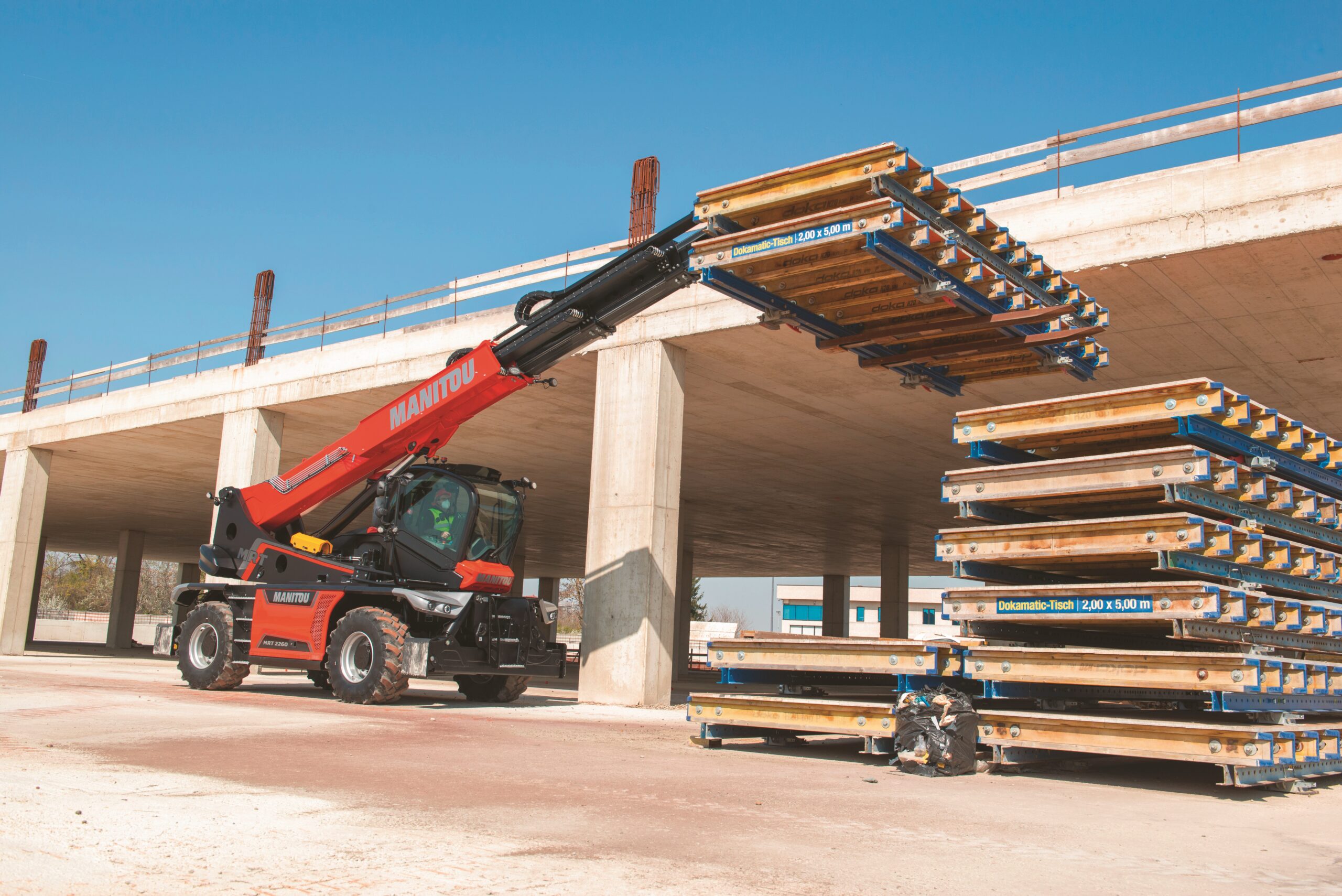
The counterbalance forklift is one of the most common types of material handling equipment. Unlike the reach truck, it comes with a large counterweight at the back, balancing the load being lifted at the front. This design makes it highly versatile for both indoor and outdoor use.
Key features of a counterbalance forklift include:
- Easy to operate with straightforward steering.
- Strong lifting capacity for heavy loads.
- Stability ensured by the rear counterweight.
- Adaptability for different terrains and environments.
Whether moving pallets, loading trucks, or handling bulky items, the counterbalance forklift is a reliable workhorse for various industries.
Comparing Reach Truck vs Counterbalance Forklift
While both machines are essential, they serve different purposes:
-
Reach Truck: Best for warehouses with narrow aisles and tall racking. Ideal for indoor use.
-
Counterbalance Forklift: More versatile, suitable for both indoor and outdoor tasks, and capable of handling heavy loads on uneven surfaces.
Choosing between them depends on the working environment, type of load, and space availability. Many businesses invest in both to cover all material handling needs.
Why Choose Glosrose for Material Handling Equipment?
With over 40 years of experience in construction and industrial equipment sales, Glosrose provides top-quality machinery that businesses can trust. Whether you need a reach truck for a warehouse or a counterbalance forklift for outdoor operations, Glosrose offers reliable solutions tailored to your needs. Their expertise ensures that clients receive the right equipment backed by excellent customer support.
Conclusion
Both the reach truck and the counterbalance forklift play crucial roles in efficient material handling. While the reach truck excels in maximizing warehouse storage, the counterbalance forklift offers versatility across various environments. Businesses that invest in the right equipment not only improve productivity but also enhance workplace safety. Partnering with experienced providers like Glosrose ensures that you receive durable, reliable machinery to keep operations running smoothly.
Visit Us Now: https://glosrose.co.uk/


